
Building a dock on your Minnesota lake property is often one of the first improvements you’ll consider after purchasing waterfront real estate. Understanding dock permit requirements in Minnesota is essential for compliance with state and local regulations while avoiding costly delays or violations. The permit process varies depending on dock specifications, location, and local ordinances, making it crucial to research requirements before beginning construction. This information is provided for educational purposes only and does not constitute legal advice – each individual should conduct their own due diligence and consult with appropriate authorities regarding specific permit requirements. In this blog post, Nisswa real estate expert Dan Schueller discusses permit requirements for building docks on lake property in Minnesota.
In most cases, you do not need a permit from the Minnesota Department of Natural Resources (DNR) to install a standard residential dock if you comply with specific state requirements. However, local governments and lake associations may have additional permitting processes and regulations that apply to your property, making it essential to verify requirements with all applicable authorities before beginning dock construction.
Key Takeaways:
- Standard residential docks meeting DNR criteria are automatically authorized under General Permit 2008-0401 without application
- Local governments and lake associations may require separate permits beyond state requirements
- Dock width cannot exceed 8 feet and length should only reach navigable water depth
- Commercial docks, permanent structures, and oversized docks typically require special permits
Minnesota DNR General Permit Requirements for Residential Docks
The Minnesota Department of Natural Resources provides automatic authorization for residential docks through General Permit 2008-0401, eliminating the need for individual permit applications when specific criteria are met. Your dock qualifies for this general permit if it measures no wider than 8 feet, extends only as far as necessary to reach navigable water depth, and maintains free water flow beneath the structure. The dock cannot be combined with other structures to create larger platforms and must not pose hazards to navigation, health, or safety.
This general permit system streamlines dock installation for Nisswa real estate owners while ensuring environmental protection and navigation safety. The dock cannot function as a marina or commercial facility, and any rock-filled cribs are only permitted where the lakebed consists predominantly of bedrock. These requirements balance property owners’ riparian rights with public safety and environmental conservation priorities.
“Understanding DNR general permit requirements helps lakefront property owners move forward confidently with dock projects while staying compliant with state regulations.” – Dan Schueller
Minnesota Dock Permit Requirements
Complete Guide to DNR and Local Permitting for Lake Property Docks
⚖️ Legal Disclaimer
This information is provided for educational purposes only and does not constitute legal advice. Each individual should conduct their own due diligence and consult with appropriate authorities regarding specific permit requirements for their property.
📋 DNR General Permit 2008-0401
Most residential docks are automatically authorized under this general permit when they meet specific criteria. No application or paperwork is required if your dock complies with all requirements listed below.
DNR General Permit Requirements
| Requirement | Specification | Notes |
|---|---|---|
| Maximum Dock Width | 8 feet or less | No part of dock can exceed this width |
| Dock Length | Only as long as needed to reach navigable depth | Minimum length to access deep water |
| Platform Combination | Cannot be combined with other structures | Must remain as standalone dock |
| Navigation Safety | Must not pose hazard to navigation, health, or safety | Proper placement and marking required |
| Water Flow | Must allow free flow of water beneath | Open design required underneath |
| Use Restriction | Cannot be used as a marina | Private residential use only |
| Local Compliance | Must comply with local government guidelines | Check city/county requirements |
| Rock-Filled Cribs | Only where lakebed is predominantly bedrock | Special geological requirement |
Permit Requirements by Situation
| Dock Type/Situation | DNR Permit Required? | Local Permit Required? | Special Considerations |
|---|---|---|---|
| Standard Residential Dock (meets DNR criteria) | No – General Permit covers | Maybe – Check local rules | Automatic authorization if compliant |
| Dock Wider Than 8 Feet | Yes – Individual permit required | Likely required | Extended review process |
| Commercial or Marina Use | Yes – Special permit required | Yes – Zoning approval needed | Complex permitting process |
| Permanent Dock Structure | Possibly – Depends on design | Likely required | Engineering review may be needed |
| Docks in Special Districts (e.g., Lake Minnetonka) | No – If DNR rules met | Yes – District permit required | Additional local regulations apply |
| Dock with Boathouse | Maybe – Depends on size/design | Yes – Building permit likely | May be treated as structure |
| Retaining Wall or Erosion Control | Yes – Individual permit required | Yes – Engineering review | Environmental impact assessment |
| Offshore Mooring System | Yes – Special permit required | Maybe – Check local rules | Navigation safety review |
| Seasonal Removable Dock | No – If meets criteria | Maybe – Check seasonal rules | May have installation/removal dates |
| Multiple Connected Platforms | Yes – Exceeds general permit | Yes – Design review needed | Treated as larger structure |
🏡 Expert Guidance
For professional assistance with Minnesota lake property dock permitting and lakefront real estate transactions, contact Dan Schueller at Your Home Sold Guaranteed Realty Exclusive. With nearly 39 years of experience and specialization in waterfront properties, Dan can help you navigate the complexities of dock installation and lake property ownership.
⚠️ Important Reminder
Always verify with local authorities: While DNR general permits may authorize your dock at the state level, local governments and lake associations often have additional requirements. Contact your city, county, and any applicable lake associations before beginning construction to ensure full compliance with all regulations.
The automatic authorization under General Permit 2008-0401 means no paperwork, application fees, or waiting periods are required for compliant residential docks. This efficiency allows property owners to begin enjoying their waterfront investment without bureaucratic delays, provided they strictly adhere to the specified criteria and verify compliance with local requirements.
Documentation proving compliance with general permit requirements should be maintained for your records, including dock specifications, installation photos, and any correspondence with local authorities. This documentation protects your investment and demonstrates due diligence if questions arise about permit compliance.
Local Government and Lake Association Regulations
While DNR general permits may authorize your dock at the state level, local governments and lake associations often impose additional requirements that can significantly impact your project timeline and costs. Cities, counties, and special districts like the Lake Minnetonka Conservation District frequently require separate permits, inspections, and compliance with unique design standards. These local regulations may address dock aesthetics, environmental impact, setback requirements, and seasonal installation restrictions.
Nisswa and other North Central Minnesota real estate markets often have specific ordinances governing dock construction, materials, and placement. Some communities require professional installation, specific hardware types, or seasonal removal requirements that exceed state minimums. Lake associations may impose additional restrictions on dock design, lighting, or seasonal usage that affect your property’s functionality.
Permit fees, application processing times, and inspection requirements vary significantly between jurisdictions, making early research essential for project planning. Some areas require detailed construction drawings, engineering certifications, or environmental impact assessments even for standard residential docks. Understanding these requirements prevents costly delays and ensures your dock project proceeds smoothly.
Working with experienced local contractors familiar with specific jurisdictional requirements can streamline the permitting process and ensure compliance with all applicable regulations. These professionals often maintain relationships with permitting authorities and understand common approval challenges that could delay your project.
Commercial Docks and Special Permit Requirements
Docks intended for commercial use, rental operations, or community access typically require special permits from both state and local authorities. Commercial dock permits involve more extensive review processes, including environmental impact assessments, navigation studies, and public comment periods. These permits often include ongoing compliance monitoring, annual renewals, and operational restrictions that don’t apply to residential installations.
Permanent dock structures, such as those with concrete footings or year-round installations, may require special permits regardless of size or intended use. These structures typically undergo more rigorous engineering review and environmental assessment due to their potential long-term impact on lake ecosystems and shoreline stability. Homes for sale in Nisswa with existing permanent dock structures should include permit documentation in the property transfer.
Large docks exceeding the 8-foot width limitation or incorporating multiple connected platforms require individual DNR permits and local approvals. These structures often involve extended review periods, engineering requirements, and public notification processes that can significantly extend project timelines. Design modifications may be required to address environmental concerns or navigation safety issues.
“Buyers considering properties with commercial or oversized dock potential should understand the permitting complexities and costs involved before making investment decisions.” – Dan Schueller
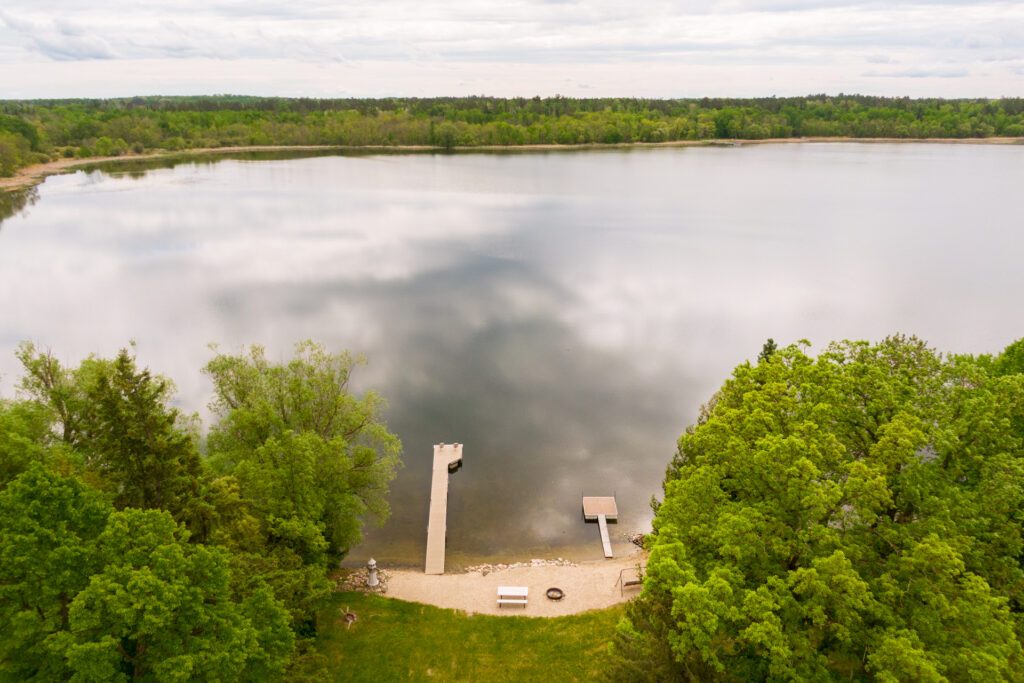
Marina operations, boat rental facilities, and other commercial waterfront businesses face comprehensive permitting requirements that may include zoning approvals, business licensing, and ongoing regulatory compliance. These operations require careful legal and regulatory analysis to ensure full compliance with all applicable requirements.


Retaining Walls, Erosion Control, and Other Waterfront Structures
Waterfront property improvements beyond standard docks typically require specific permits and professional design regardless of size or scope. Retaining walls, erosion control structures, and shoreline modifications usually need DNR permits due to their potential impact on water flow, fish habitat, and neighboring properties. These projects often require engineering analysis, environmental review, and construction oversight that significantly exceed standard dock requirements.
Offshore mooring facilities, breakwaters, and permanent anchoring systems generally require individual permits and ongoing maintenance compliance. These structures can affect navigation patterns, sediment flow, and aquatic ecosystems in ways that necessitate careful regulatory review. Property owners should budget for permit costs, design fees, and potential mitigation requirements when planning these improvements.
Boat lifts, boathouses, and other water-oriented accessory structures may fall under different permitting categories depending on their size, permanence, and impact on water flow. Some jurisdictions treat these structures as buildings requiring construction permits, while others regulate them as waterfront improvements under shoreland management ordinances. Understanding the specific classification in your jurisdiction prevents permit delays and compliance issues.
The cumulative impact of multiple waterfront improvements may trigger additional review requirements even when individual structures would otherwise qualify for general permits. Property owners planning comprehensive waterfront development should consult with regulatory authorities early in the design process to understand permitting sequences and potential interaction effects.
Navigating Permit Requirements for Your Lake Property Project
Successfully navigating dock permitting requirements requires systematic research and coordination with multiple authorities. Begin by contacting your local building department, planning office, and any applicable lake associations to understand specific requirements for your property location. Many jurisdictions provide permitting guides, checklists, and pre-application consultation services that can streamline the approval process.
Top realtor professionals often maintain relationships with local permitting authorities and can provide valuable guidance on typical approval timelines and common compliance issues. Experienced real estate agents understand how dock permits affect property values and can help buyers evaluate existing permits or planned improvements during the purchase process. This expertise proves particularly valuable when coordinating dock projects with home sales or purchases.
Documentation requirements vary significantly between jurisdictions, but typically include site plans, construction drawings, and proof of property ownership. Some areas require environmental assessments, neighbor notifications, or public hearings that can extend approval timelines significantly. Starting the permit process early prevents construction delays and ensures compliance with seasonal installation restrictions common in Minnesota.
Professional contractors specializing in dock construction often handle permit applications as part of their services, leveraging their experience with local requirements and regulatory relationships. This approach can reduce permit processing time and ensure compliance with technical requirements that property owners might overlook. However, property owners remain responsible for permit compliance regardless of contractor involvement.
Why Choose Dan Schueller for Your Lake Property Dock Planning Needs

Dan Schueller brings nearly 39 years of experience helping clients navigate the complexities of lakefront property ownership, including dock installation and permitting requirements. As a specialist that can sell your home in Nisswa or lake property transactions, Dan understands how dock permits affect property values, sale timelines, and buyer decisions. His expertise in North Central Minnesota real estate includes deep knowledge of local permitting authorities and regulatory requirements that can impact your waterfront investment.
Dan’s team at Your Home Sold Guaranteed Realty Exclusive maintains relationships with local contractors, permitting authorities, and lake associations throughout the region, providing clients with valuable resources for dock projects and waterfront improvements. With hundreds of 5-Star Google reviews and a track record of selling homes 70% faster than other agents, Dan’s expertise ensures your lake property transactions proceed smoothly whether you’re buying, selling, or improving waterfront real estate.
Gayle Schmidt
“I was very pleased as how quickly my home sold. There was very professional help!! Dan always returned my phone call, Was always very knowledgeable about what was going on and if he didn’t, he found out what was going on very very pleased I would recommend Using them to sell another home or recommend them to anybody else that was looking to sell their home.”
View Full Review on GoogleThe comprehensive guarantees offered by Your Home Sold Guaranteed Realty Exclusive provide additional confidence in your lake property decisions, including their Buy Back Guarantee and Save Money Guarantee that protect your investment. Dan’s specialization in lakefront properties and understanding of dock permitting complexities make him the ideal choice for navigating waterfront real estate transactions in Minnesota’s competitive lake markets.
To Discuss Your Home Sale or Purchase, Call or Text (218) 656-6469 Today and Start Packing!
FAQ
Your Home Sold Guaranteed Realty Exclusive stands out in the competitive Nisswa real estate market through our unique combination of experience, guarantees, and specialized knowledge of lakefront properties. With nearly 39 years of real estate expertise and deep understanding of dock permitting, shoreland regulations, and waterfront property complexities, we provide unmatched value for lake property owners. Our team’s specialization in lake homes and waterfront properties means we understand the unique factors that affect property values and sale success.
Our proven track record includes selling homes 70% faster than other local agents and achieving prices 10% above market average, demonstrating our effective marketing strategies and negotiation expertise. With a database of 17,000 pre-qualified buyers and experience selling 100+ homes annually in North Central Minnesota, we provide unparalleled market reach for your property. Our comprehensive understanding of local permitting requirements helps buyers and sellers navigate dock installations and waterfront improvements that can significantly impact property values.
The guarantees we offer provide unmatched protection for our clients, including our Your Home Sold Guaranteed program that ensures your home sells at an acceptable price or we’ll buy it ourselves. Our commitment to client satisfaction extends beyond the transaction through our Love Your New Home guarantee and ongoing support for waterfront property questions. All incentives and guarantees must be agreed upon and in writing to ensure clarity and legal enforceability for all parties involved.