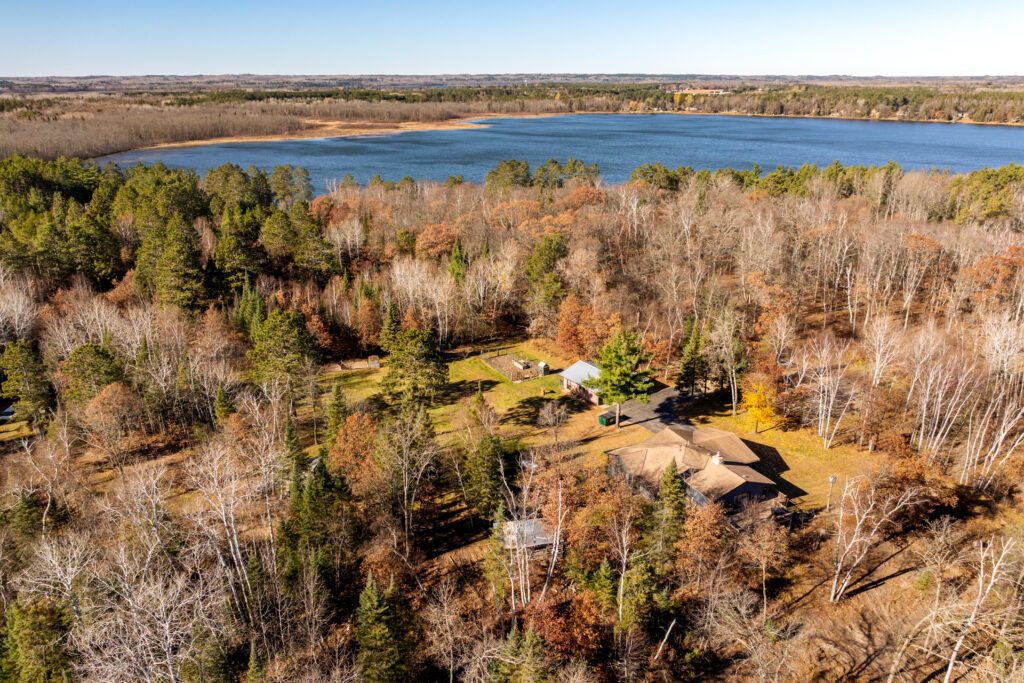
Purchasing a lake house in Minnesota represents one of the most significant investment decisions you’ll make. Understanding how to properly evaluate Minnesota lakefront property as an investment opportunity requires analyzing financial performance, lake quality, property-specific features, and local regulations. Whether you’re considering a rental property in the Brainerd Lakes Area or looking for long-term appreciation near the Twin Cities, the evaluation process goes far beyond traditional real estate analysis. In this blog post, real estate expert Dan Schueller discusses a comprehensive framework for evaluating lake houses as investment properties in Minnesota real estate markets.
Evaluating a Minnesota lake house as an investment property requires understanding three critical pillars: financial performance and return on investment, the quality and characteristics of the lake itself, and the regulatory environment governing short-term rentals and waterfront development. A property that excels in all three areas offers the strongest investment potential, while weaknesses in any single area can significantly impact your returns.
Key Takeaways
- Financial analysis must account for Minnesota’s highly seasonal rental market, with peak income concentrated in the 16-week summer period and strategic winter rental opportunities through ice fishing and snowmobiling markets
- Lake quality factors including water clarity, shoreline composition, and recreational amenities often determine property value more than the house itself, with sandy beaches and level lot access commanding premium prices
- Understanding county-specific short-term rental regulations, septic compliance requirements, and DNR shoreline rules is essential before making an offer, as restrictions vary dramatically across Minnesota’s lake regions
- Working with a specialist who understands lakefront property valuation, local regulations, and investment potential helps you avoid costly mistakes and identify properties with the strongest appreciation potential
To Discuss Your Home Sale or Purchase, Call or Text Today and Start Packing!
Why Choose Dan Schueller to Evaluate Your Lake House Investment

Evaluating Minnesota lake houses as investment properties requires specialized expertise in waterfront real estate, local regulations, and market dynamics that differ dramatically from traditional residential investing. Dan Schueller and the team at Your Home Sold Guaranteed Realty Exclusive bring 39 years of real estate experience focusing specifically on North Central Minnesota lake properties, giving them unmatched insight into which lakes and properties offer the strongest investment potential. As the top realtor in Nisswa, Dan understands the nuances of water quality, shoreline regulations, and short-term rental rules across Crow Wing, Cass, and Hubbard counties that determine investment success or failure. The team maintains hundreds of 5 Star Google reviews from satisfied clients who’ve successfully navigated lake property purchases with expert guidance. When you work with Dan Schueller, you gain access to proprietary market data on rental rates, appreciation trends, and lakefront property value retention that helps you avoid overpriced properties and identify undervalued opportunities.
Defining Your MN Lake House Investment Goals: Cash Flow vs. Appreciation.
Before evaluating specific properties, you need to clarify your primary investment objective. Your goal dramatically changes which metrics and property characteristics you’ll prioritize during the evaluation process. Cash flow investors focus on maximizing short-term rental income, which requires properties near major recreational lakes with strong summer tourism. Appreciation investors target limited-supply markets with growing demand from remote workers and retirees seeking year-round lake living. Hybrid investors who plan personal use alongside rental income need to balance desirability factors with practical year-round accessibility.
The Brainerd Lakes Area investment market offers distinct advantages for each strategy. Properties within two to three hours of the Twin Cities maintain the strongest rental demand and appreciation rates. Remote northern lakes offer lower entry prices but face challenges with seasonal access and limited renter pools. Understanding which investment strategy aligns with your financial goals and risk tolerance guides every subsequent evaluation decision.
“The biggest mistake I see investors make is buying based on emotion rather than evaluating the property through a comprehensive financial and regulatory lens. A beautiful lake house can be a terrible investment if the numbers don’t work or you can’t legally rent it the way you planned.” – Dan Schueller
Analyzing Financial Performance and Return on Investment
Financial modeling for Minnesota lake houses requires accounting for extreme seasonality that doesn’t exist in traditional rental markets. Peak season from Memorial Day through Labor Day generates 70 to 85 percent of annual rental income, with properties commanding $3,500 to $6,500 per week depending on lake tier and amenities. Shoulder seasons in May and September offer reduced rates of $2,000 to $3,500 weekly with 40 to 60 percent occupancy. Winter months present either minimal income or strategic opportunities near ice fishing hotspots and snowmobile trail systems.
Your pro forma analysis must include Minnesota-specific expense categories that substantially exceed standard residential rentals:
- Property insurance: Lakefront coverage with short-term rental riders costs 40 to 60 percent more than standard homeowner policies due to water damage risk and liability exposure
- Septic and well maintenance: Annual inspections, seasonal winterization, and compliance upgrades can total $2,000 to $4,000 annually, with system replacement costing $15,000 to $25,000
- Dock and waterfront structures: Seasonal installation and removal, repairs, and eventual replacement represent $1,500 to $3,000 in annual costs
- Winter heating and weatherization: Maintaining freeze protection or year-round heating adds $300 to $600 monthly during cold months
- Property management: Full-service management for absentee owners typically costs 25 to 30 percent of gross rental income
Calculate your capitalization rate by dividing net operating income by purchase price. Lake houses often show cap rates of 3 to 5 percent due to lifestyle premium pricing, but strong appreciation potential of 5 to 8 percent annually in desirable markets creates compelling total returns. Properties generating positive cash flow while building equity offer the strongest risk-adjusted performance for lakefront property investments.
What Lake Qualities Drive Value for MN Lake House Investments?
The lake itself typically drives more value than the house, making water quality and recreational characteristics your primary evaluation focus. The Minnesota DNR LakeFinder database provides critical data on water clarity, depth, fish populations, and historical water levels that directly correlate with property values. Lakes with Secchi disk readings showing clarity of 10 feet or more command significant premiums over those with readings below 5 feet. Recreational lakes supporting boating, fishing, and swimming maintain stronger rental demand than fishing-only or environmental lakes with motor restrictions.
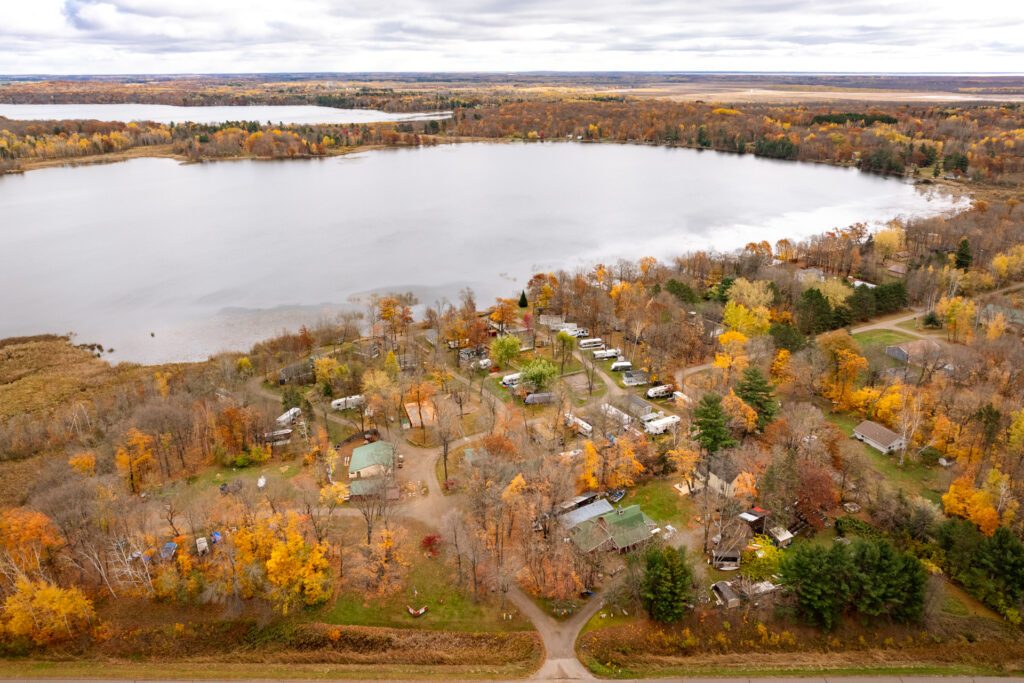
Lake tier analysis helps predict both rental income and appreciation potential. Tier one lakes including Gull Lake, the Whitefish Chain, and portions of Lake Minnetonka offer the highest rental rates and most stable demand but require purchase prices of $800,000 to $2 million or more. The Brainerd Lakes Area and Alexandria region are considered tier two lakes, and provide strong rental performance at $400,000 to $800,000 price points. Tier three remote lakes offer entry-level pricing under $400,000 but face seasonal access challenges and limited renter pools.
Shoreline quality matters more than total frontage when evaluating investment properties. Sandy beaches with gradual entry create the most desirable swimming conditions and command premium valuations. Level lot properties offering easy walk-out access from the house to the water significantly outperform those requiring steep stairs or long walks. Existing permitted docks, boat lifts, and waterfront structures add immediate value and rental appeal while avoiding the permitting process for new installations.
“Water clarity is the number one factor I emphasize when clients evaluate lake properties for investment. A lake with declining water quality will see property values stagnate or decline, while lakes with excellent clarity and active conservation efforts consistently appreciate above market averages.” – Dan Schueller
Properties with year-round accessibility and modern amenities capture both summer and shoulder season bookings. Insulation, winterized plumbing, and reliable snow removal enable winter rentals for ice fishing and snowmobiling enthusiasts. High-speed internet access has become essential for remote workers who book extended stays. Modern kitchens, updated bathrooms, and quality furnishings justify premium nightly rates that improve your return on investment.
Navigating Minnesota’s Short-Term Rental Regulatory Environment
Regulatory compliance represents the most critical due diligence area that investors frequently overlook until after purchase. Minnesota counties and townships maintain independent authority over short-term rental regulations, creating a patchwork of rules that vary dramatically across lake regions. Some jurisdictions freely permit vacation rentals with simple registration, while others impose strict licensing requirements, occupancy limits, or complete prohibitions on rentals under 30 days.
Crow Wing County, home to many Brainerd Lakes Area properties, currently allows short-term rentals with straightforward registration and compliance with septic and safety standards. Cass County implemented tiered licensing based on property size and guest capacity. Some townships near metro lakes including Lake Minnetonka have restricted or banned short-term rentals entirely in recent years. Before making an offer, contact the specific county planning or zoning department to verify current regulations and anticipated changes that could impact your investment strategy.
Septic system compliance follows strict Minnesota Pollution Control Agency standards that require point-of-sale inspections for property transfers. Systems failing inspection must be upgraded or replaced before closing, with costs ranging from $15,000 to $30,000 for standard systems. High-occupancy short-term rentals may require larger capacity systems or additional drain field area compared to single-family use. Verify both current compliance status and capacity adequacy for your intended rental use during the inspection period.
DNR shoreline regulations control what you can build, modify, or remove near the water. Structure setback requirements typically mandate 75 to 100 feet from ordinary high water level, with limited exceptions for existing non-conforming structures. New dock installations require permits verifying appropriate size and placement for the specific water body. Native vegetation preservation requirements restrict clearing in shore impact zones. Understanding these limitations before purchase prevents costly surprises when you can’t implement planned improvements.
Conducting Thorough Investment Property Due Diligence
Comprehensive due diligence for Minnesota lake houses extends well beyond standard home inspections to address water-specific systems and environmental factors. Well water testing should analyze bacterial contamination, nitrates, and arsenic levels that appear in some central Minnesota regions. Annual testing ensures ongoing water quality for guests and protects you from liability issues. Septic inspection by a certified inspector verifies system compliance, capacity, and remaining useful life before you assume ownership.
Foundation and shoreline stability require specialized assessment in lakefront properties. Soil erosion, water level fluctuations, and freeze-thaw cycles create unique structural challenges. Look for signs of water intrusion, settling, or movement that could indicate underlying problems. Riprap, retaining walls, and other shoreline stabilization measures should show proper installation and maintenance. Essential questions for lake property purchases should address all water-related systems and structures.
Review property tax assessments and projected increases carefully. Minnesota lakefront properties often experience significant reassessments following sales, with tax bills increasing 20 to 40 percent above the previous owner’s rate. Factor these higher costs into your pro forma analysis. Some counties offer homestead exemptions requiring owner occupancy for a portion of the year, which may conflict with maximizing rental income during peak season.
Title review should verify riparian rights, easements, and any lake association memberships or restrictions. Shared beach or dock access arrangements require clear documentation of usage rights and cost-sharing arrangements. Some properties include deeded access rather than direct frontage, which substantially impacts both value and rental appeal. Lake association dues and rules may restrict rental activity or impose quiet hours that affect your ability to maximize occupancy.
To Discuss Your Home Sale or Purchase, Call or Text Today at (218) 656-6469 and Start Packing!
Understanding Lake Tiers and Investment Potential in North Central Minnesota
Nisswa and the surrounding North Central Minnesota market offers diverse lake investment opportunities across multiple value tiers. Understanding how lakes rank in terms of desirability, pricing, and rental income potential helps you target properties aligned with your investment budget and return expectations. Drive time from the Twin Cities serves as a primary determinant of demand, with lakes within two to three hours maintaining the strongest year-round interest from buyers and renters.
Gull Lake represents the premier tier one investment opportunity in the Brainerd Lakes Area, offering excellent water clarity, diverse recreational options, and strong infrastructure supporting year-round access. Properties on Gull Lake typically range from $1 million to $3 million with peak summer rental rates of $5,000 to $8,000 weekly. The Whitefish Chain, encompassing interconnected lakes with excellent fishing and boating, provides similar investment characteristics with slightly lower average pricing. These tier one lakes show consistent 6 to 8 percent annual appreciation with minimal vacancy risk during peak season.
| Icon | Lake Tier | Examples & Price Range | Investment Profile |
|---|---|---|---|
| 🥇 | Tier One: Premier | Gull Lake, Whitefish Chain. ($1M – $3M+) | Highest rent ($5k-$8k/wk) & appreciation (6-8%). Strong, stable demand from high-end renters and buyers. |
| 🥈 | Tier Two: Balanced | Pelican Lake, Big Sandy Lake, Cross Lake. ($400k – $900k) | Best balance of cash flow & value. Strong rental rates ($3.5k-$5.5k/wk) with a wider buyer pool. |
| 🥉 | Tier Three: Entry-Level | Remote northern lakes. (< $400k) | Niche markets (e.g., ice fishing, snowmobiling). Faces seasonal access challenges & limited renter pools. |
Tier two lakes including Pelican Lake, Big Sandy Lake, and Cross Lake offer compelling value propositions for investors seeking positive cash flow. Purchase prices ranging from $400,000 to $900,000 enable stronger capitalization rates while still commanding respectable summer rental rates of $3,500 to $5,500 weekly. These lakes maintain good water quality and recreational amenities while being accessible from the Twin Cities in under three hours. Properties on tier two lakes often provide the best balance of cash flow and appreciation for investors without the capital requirements of tier one markets.
Tier three lakes in more remote regions north of Nisswa real estate markets offer entry-level pricing under $400,000 but require careful evaluation of access and rental demand. These properties can generate returns for investors who target niche markets like ice fishing enthusiasts or provide unique amenities justifying bookings despite longer drive times. Year-round road maintenance and proximity to snowmobile trails significantly impact winter rental potential in these markets.
Maximizing Returns Through Strategic Property Selection
Properties offering multiple revenue streams and usage seasons generate superior returns compared to summer-only rentals. Ice fishing popularity on lakes including Mille Lacs, Leech Lake, and Lake Winnibigoshish creates winter rental demand that extends your income season by 12 to 16 weeks. Properties with fish houses, heated garages, and proximity to plowed ice access points command premium winter rates. Snowmobile trail access adds another dimension of winter appeal for properties in Cass County and northern Crow Wing County.
Modern amenities justify premium pricing that improves your return on investment without requiring massive property purchases. Properties with fiber internet supporting remote work capture extended stay bookings at higher effective nightly rates than weekend-only guests. Hot tubs, saunas, and game rooms increase bookability and enable premium pricing during shoulder seasons when lake activities are less accessible. Professional photography and staging that highlights these amenities dramatically impact your online listing performance on platforms like Airbnb and VRBO.
Location within a lake matters as much as which lake you choose when evaluating specific properties. South-facing lots receive maximum sunlight throughout the day, creating superior outdoor living conditions that justify premium rates. Properties on quiet bays avoid ski boat traffic while still providing lake access for swimming and fishing. Proximity to lake access points, restaurants, and recreational amenities adds convenience that appeals to families and groups who prefer nearby activities beyond the property itself.
Working With Lake Property Investment Specialists
Successfully evaluating Minnesota lake houses as investments requires expertise that extends beyond general real estate knowledge into specialized areas of waterfront property, environmental regulations, and vacation rental markets. Realtors who specialize in lake properties understand valuation factors that don’t apply to traditional homes, including how water clarity trends and DNR classifications impact long-term value. They maintain relationships with septic inspectors, well specialists, and dock installers who understand lakefront requirements and can provide accurate cost estimates during due diligence.

Local market expertise proves invaluable when evaluating whether asking prices reflect true market value or represent motivated seller situations. A specialist tracks comparable sales data including actual rental income performance rather than relying on projected returns that sellers may inflate. They understand which lakes are experiencing appreciation above market averages versus those facing challenges from invasive species, declining water quality, or regulatory restrictions that could impact future values.
The team at Your Home Sold Guaranteed Realty Exclusive provides investors with comprehensive market analysis including rental income comparables, historical appreciation rates, and regulatory guidance for specific properties you’re considering. Their experience helping clients acquire and manage lake house investments gives them practical insight into which properties deliver promised returns versus those that underperform due to hidden costs or market limitations. Working with experienced professionals helps you avoid expensive mistakes while identifying opportunities that less experienced investors might overlook to sell your home in Nisswa or purchase the perfect investment property.
Follow Us on Social Media
Stay connected with Your Home Sold Guaranteed Realty Exclusive for the latest Nisswa market updates, new homes for sale in Nisswa, and expert real estate advice. Follow us on YouTube, Facebook, Instagram, and TikTok for valuable insights into the Nisswa real estate and North Central Minnesota markets.
Frequently Asked Question
The most common mistake is failing to verify short-term rental legality before closing, which can eliminate your planned income strategy if the property is located in a jurisdiction that prohibits or severely restricts vacation rentals. Many investors also underestimate true operating expenses by 30 to 50 percent, particularly property management fees, winter heating costs, and seasonal dock installation and removal expenses that don’t exist in traditional rentals.
Overlooking septic system capacity and compliance is another frequent error, as systems adequate for occasional family use may fail under the stress of high-occupancy short-term rentals, requiring expensive upgrades shortly after purchase. Additionally, investors often overestimate rental income based on peak summer rates without properly accounting for Minnesota’s short season and shoulder period discounting. Finally, many buyers purchase based on personal preference for a specific lake without objectively analyzing whether that lake offers the investment characteristics needed to achieve their financial goals, such as strong rental demand, appreciation potential, and reasonable drive times from population centers.